Recycling and Sustainability at Tree Surgeons Ilford
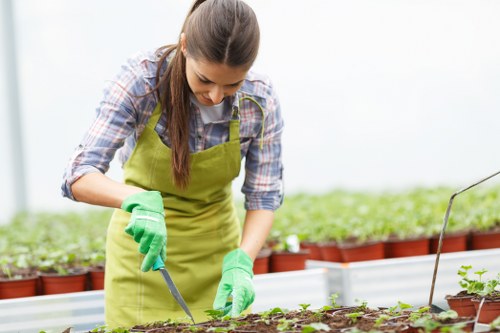 At Tree Surgeons Ilford, sustainability is built into everyday site work, from the first cut to the final clearance. We know that tree surgery creates a varied stream of green waste, timber, chip, soil and occasional mixed materials, so our approach is designed to keep as much as possible in use again. Our recycling percentage target is 95% of all suitable arisings diverted from landfill or incineration through reuse, composting, chipping, specialist recovery or responsible local processing. That target matters because it helps reduce carbon emissions, supports better local resource management and keeps arboricultural work aligned with the environmental values of the communities we serve.
As tree surgeons in Ilford, we also recognise the importance of working in a borough landscape where waste separation is taken seriously. Across the area, local councils encourage clear sorting of green waste, wood, metals and general rubbish, and we mirror that mindset on every job. Our crews separate materials on site whenever practical, which means branches can be chipped for mulch, trunks can be graded for timber recovery, and soil can be directed to suitable treatment rather than mixed with reusable organic matter.
Responsible Recycling in and Around Ilford
 A key part of our sustainability plan is using local transfer stations and recycling facilities to reduce unnecessary mileage and improve the traceability of waste. By selecting approved transfer stations in and around East London, we can route green waste, untreated wood and mixed arboricultural arisings to facilities that are equipped to sort and process them efficiently. This supports a lower-carbon workflow and helps ensure that each load is handled in line with environmental best practice.
For Ilford tree surgery recycling, this is especially important because local jobs can produce different waste profiles depending on the season and the species involved. For example, pruning work may generate clean woodchip suitable for landscaping uses, while large removals can produce heavier timber that may be sent for specialist reprocessing. In line with borough approaches to waste separation, we avoid sending recyclable material into general waste streams whenever a better option is available. Separate handling is not just a preference; it is central to how we reduce waste impact.
We also keep a close eye on contamination. Green waste is kept distinct from plastics, metal fixings and non-organic debris so that organic material can be recovered cleanly. That careful sorting means our recycling efforts remain effective even on busy sites, where multiple waste types may be created at once.
How Tree Surgeons Ilford Reuse Materials
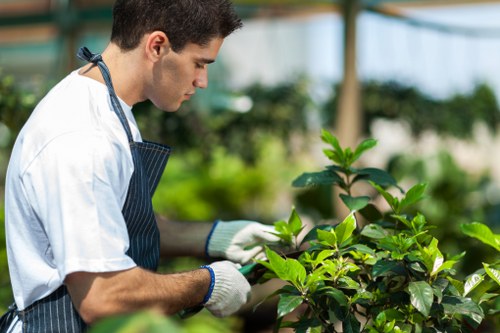 Our recycling activity goes beyond simple disposal. Many branches are chipped on the spot for reuse as mulch, helping to return nutrients to gardens, parks and planting beds. Where timber is sound, it may be recovered for biomass, wood processing or other approved secondary uses. In suitable cases, logs and trunks can be repurposed for habitat piles or ecological features, adding value to projects that might otherwise be seen only as waste removal. This is one reason many customers see recycling by tree surgeons in Ilford as an important part of responsible arboriculture.
We also work with local charities and community groups when materials can be reused for public benefit. Usable timber offcuts, logs and woodchip may support charitable garden projects, community spaces or environmental initiatives where appropriate. These partnerships help extend the life of recovered materials while contributing to local wellbeing. It is a practical way of making sure that the benefits of tree work reach beyond the site itself.
Another part of our sustainability commitment is the way we plan transport. Rather than relying on inefficient journeys, we aim to consolidate loads and use the nearest suitable processing points. This reduces fuel use and keeps the environmental footprint of each project lower. In a dense urban area like Ilford, that efficiency makes a real difference.
 Our fleet has also been upgraded with low-carbon vans that are chosen for fuel efficiency and reduced emissions. These vehicles help us move equipment and waste more cleanly across Ilford and the wider borough network. Low-carbon transport is especially useful for smaller jobs and frequent site visits, where a conventional high-emission vehicle would have a greater environmental cost. By investing in cleaner vans, Tree Surgeons Ilford shows that sustainability is not only about what happens to waste, but also about how we travel to and from each project.
We also use route planning to reduce empty miles and combine collections where appropriate. That means less time on the road, lower fuel consumption and fewer emissions overall. When paired with careful waste segregation, this creates a more efficient service from start to finish. In practical terms, it is a simple but effective way to support low-carbon tree surgery in Ilford without compromising on quality or safety.
For many jobs, the environmental gains are immediate. Chipped brash becomes mulch, reusable wood is diverted for recovery, and only the small remainder that cannot be recycled is sent onward through approved channels. This layered approach helps us maintain our recycling targets while keeping operations streamlined.
A Local Sustainability Commitment
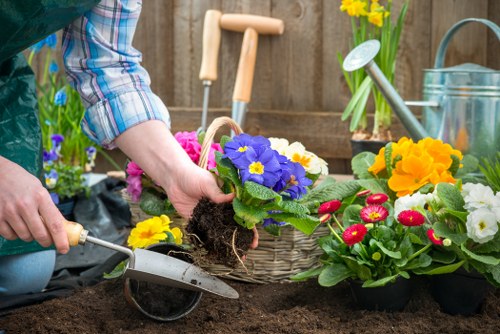 Sustainability is part of our identity as Tree Surgeons Ilford. From the way we separate materials to the way we move them, every stage is designed with recycling and carbon reduction in mind. Our 95% recycling target remains a clear benchmark, but it is also a reminder that good environmental practice depends on daily decisions: sorting waste carefully, choosing local transfer stations, supporting charities with reusable materials and maintaining a modern low-carbon fleet.
In a borough environment where waste separation, recycling discipline and responsible handling of green material are increasingly important, we are proud to play our part. Whether the work involves pruning, removals, storm clearance or site tidying, our approach aims to leave a lighter footprint and a more positive impact. That is what sustainability should mean in practice: practical, local and consistent.